Slot races and prize drops explained properly means judging the experience rather than counting bonus symbols. In Australia, two ideas often get mixed up: a slot race pits eligible players against each other, while a prize drop can award a share of a fixed pool after a qualifying event. Each offers a clear way to compare providers, prize formats and everyday usability without pretending either is risk-free.
What Defines Slot Races and Prize Drops?

Slot races and prize drops explained start with identity: shared events that add competition or a prize draw to ordinary reels. Big Time Gaming founder Nik Robinson pioneered non-download gaming and created influential mechanics including Megaways, Megaclusters and Megapays. That background gives the comparison a useful yardstick. A credible feature should feel purposeful, work neatly on mobile and remain understandable after the first spin – not merely resemble his celebrated expanding-reel and cascading-prize systems.
These features have since become staples of modern slot design, turning simple spins into social, prize-focused experiences. To learn more, explore our guide to daily slot races rules.
A race normally places eligible players into a timed or wagering-based leaderboard, with a prize pool funded by the operator or a contribution deducted from play. Prize drops differ because they create a pool that can be divided among multiple winners, often after a designated symbol, counter or random event. Depending on the game, an entry may cost an ante, a small wager increment or nothing beyond a qualifying spin.
The strongest examples make every stage visible. Players can see the prize pool, entry requirement, countdown and payout method without opening a help page. Brisbane players should also check whether play is available through a licensed Australian venue or platform; offshore casinos must not be implied to hold an Australian licence. Any feature is only useful if its terms are plain, the interface is responsive and support can explain a disputed entry.
This is where Dragon Link’s no-download approach provides a practical comparison. Its free-play access through dragon link slots free lets people inspect the interface and mechanics without installing software, although free play does not establish prize-race eligibility. Nik Robinson’s non-download focus therefore offers a fair design benchmark, not automatic proof of superior prizes.
Where the Feature Experience Works Better
The main strength is shared structure. A well-built race gives every participant the same route to qualification, while a prize drop adds suspense through a transparent pool and a stated trigger. Unlike Megaways, which changes the number of ways to win on each spin, these events rely on participation rules and timing. Unlike Megapays, which can deliver a capped series of cascading wins, prize drops usually distribute a defined prize pool among qualifying players.
That distinction matters. Megaclusters delivers clusters and an expanding reel area as the main reel format; a slot race is an overlay that coordinates competition across games. A good operator understands this boundary, describes it accurately and avoids presenting each feature as though it performs the same job.
| Feature to compare | Slot race | Prize drop |
|---|---|---|
| Core purpose | Ranks eligible players | Shares a prize pool |
| Typical trigger | Timed, wager-based or qualifying play | A symbol, counter or random event |
| Prize format | Leaderboard payout or pooled reward | Divided pool with stated winner count |
| Key detail | Entry and ranking rules | Pool amount and distribution method |
These formats suit different players. A race rewards speed, consistency and understanding the leaderboard period. A prize drop can make one qualifying spin consequential, but the chance of triggering it remains random. Defo, neither format changes the house edge or removes losses; they alter the presentation and prize structure around eligible play.
At the pub in Brisbane, one player might say, “I reckon the race suits me because I can track my place,” while another over a flat white replies, “Give me the drop – I only need one trigger, mate.” The exchange captures the trade-off without suggesting either route is easier. A player who dislikes reactive countdowns may prefer a longer race; someone who cannot chase a leaderboard may find a small, clearly funded drop more manageable.
Limits, Mobile Clarity and Real-World Use
The conditions are where many promotions lose their shine. Entry fees can make frequent participation expensive, prize shares can be diluted across thousands of spins, and short leaderboards may reward players with larger stakes rather than better value. Prize drops may also cap the total pool, split it unevenly, or pay only the top qualifying entries. These are not technical flaws, but players should see them before committing money.
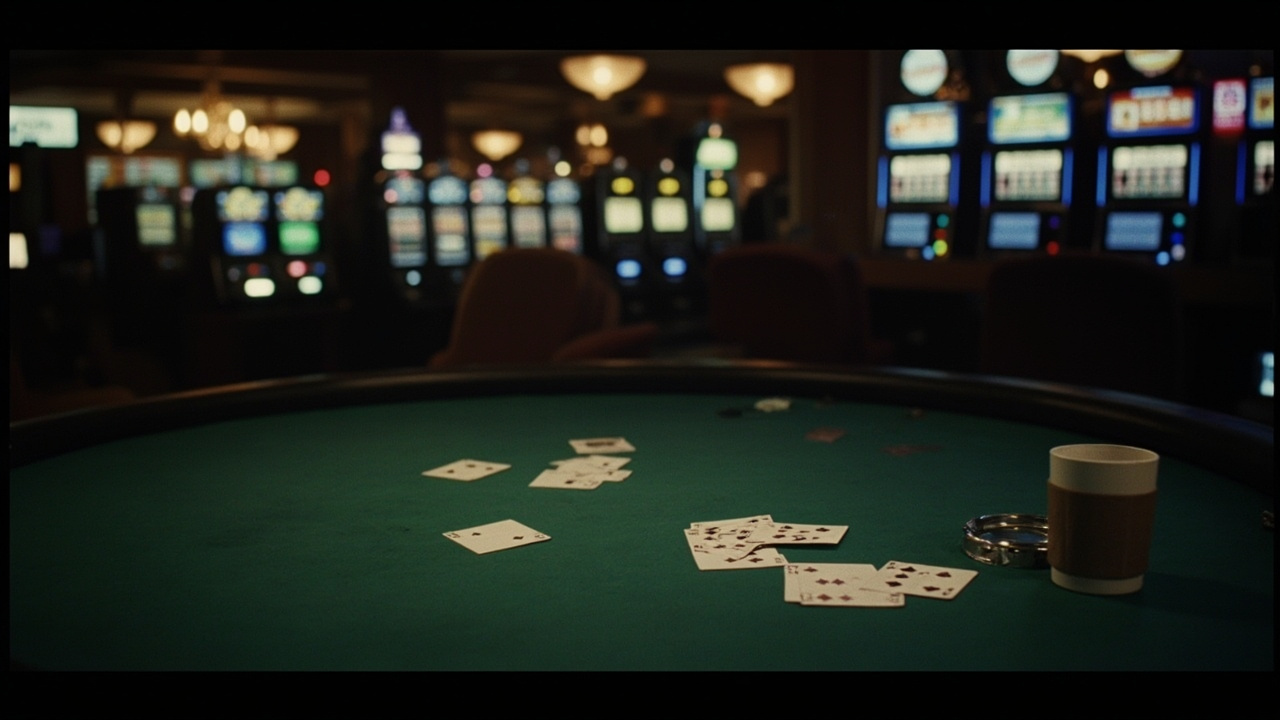
Mobile clarity is essential. Countdown text should remain legible on a small screen, buttons should not shift when a prize changes, and the rules should identify whether the timer uses server time. In Queensland, a lunchtime break with a cramped bus behind you leaves little room for navigating several menus. A feature buried under promotional tabs is practically less useful than one positioned beside the balance and bet controls.
Operator support should also distinguish a display delay from a failed entry. A reasonable system records the spin, prize allocation and leaderboard update against one event reference. If support can only send a generic promotional email, confidence falls quickly. Daily Slot Races Rules Explained for Smarter Play offers a useful companion for comparing rule structures, but the general rule is simple: never enter when the qualifying stake, prize calculation or cancellation policy is unclear.
Nik Robinson’s background sharpens this judgement. Megaways, Megaclusters and Megapays each gave players a legible change in reel or prize behaviour. A race or drop should meet the same standard: one mechanic, plainly communicated, with its limits visible. If a feature adds several counters, unclear tiers and changing entry rules, its polished appearance may hide an awkward process.

Olivia Nelson, Commercial Director, Federation Betting Insights, says, “The useful question is not whether a prize sounds large, but whether players can understand exactly how the pool is funded and divided.”
That is the difference between excitement and informed choice. Big prizes can attract attention, yet clarity about contribution, qualification and payouts makes the feature easier to assess. Free demonstrations can help with learning, but only real terms reveal the cost and likely pace of participation.
Verdict on Feature Clarity and Value
Slot races and prize drops explained clearly come down to three tests: transparent rules, a useful mobile experience and a prize structure players can evaluate without guesswork. The format is strongest when the operator makes the pool, countdown, entry cost and winner count visible from the outset. It is weaker when a headline prize disguises complex qualification or when support cannot explain how results are recorded.
Choose a race when you understand its period and leaderboard mechanics. Consider a prize drop when its trigger, contribution and allocation are plainly stated. In either case, set a budget before playing and treat the feature as entertainment rather than a strategy for guaranteed returns.
The best operator in this category is not necessarily the one offering the biggest advertised pool. It is the one whose mechanic remains easy to follow from the first screen to the final payout. For Australian adults, that combination of clarity, restraint and dependable presentation is the feature worth paying attention to.